We aim to meet kids where they are,
and then challenge them from there.

Across the curriculum
To become resilient, resourceful, and responsible, students need a chance to wrestle with meaningful problems, be guided towards effective collaboration, and make their own plans for completing long-term projects. They also need mentoring in the art of communicating complicated ideas and handling setbacks with growth in mind. Our pedagogy across the curriculum engages each of these essential goals and opportunities.
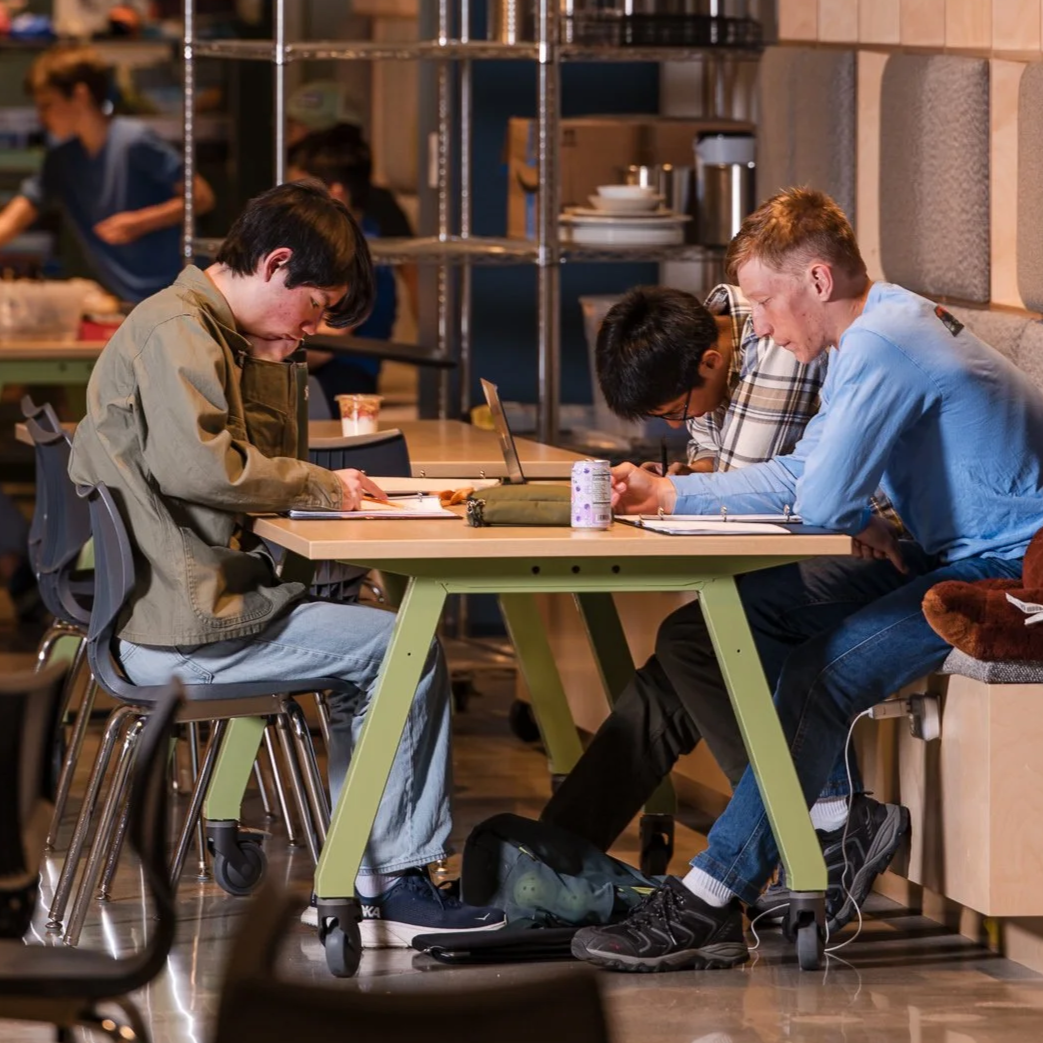
Learning at Proof requires effort and engagement.
A long mathematical runway
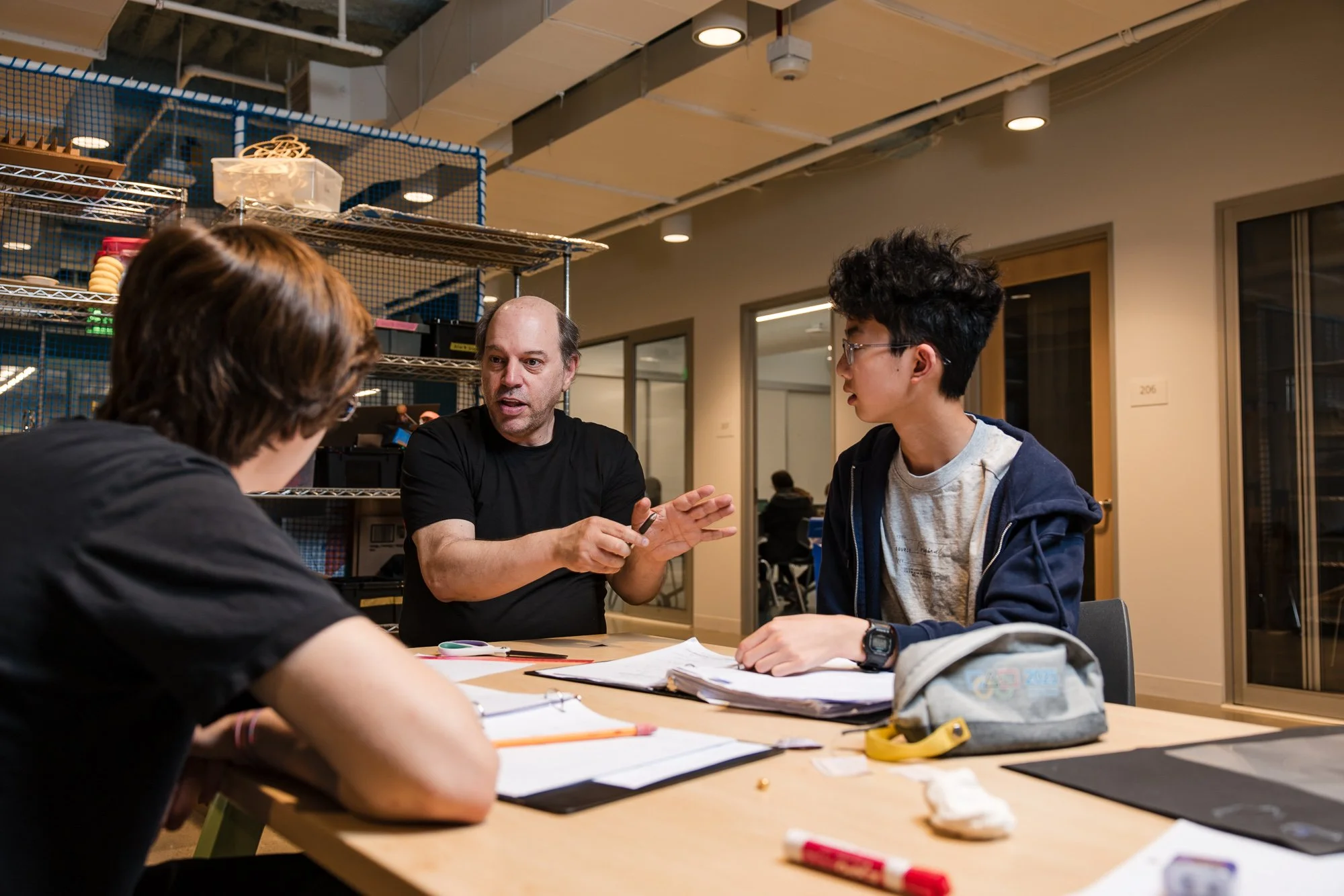
Our mathematics program invites students to explore the extraordinary breadth, depth, and beauty of mathematics. Students spend two hours per day in math class, allowing ample opportunity for exploring, collaborating, writing proofs, and giving presentations.
We offer introductory courses like algebra and geometry, high school staples like calculus and statistics, undergraduate offerings like linear algebra and group theory, and even introductory graduate level classes. We regularly teach combinatorics and number theory, as well as advanced seminars like Point-Set Topology, Galois Theory, and Stochastic Processes.
Math placement
All math courses are taught simultaneously, allowing us to place each student into a math course that is both within reach and appropriately challenging. The mixed-grade classrooms that result help to reinforce our interconnected community.
An incoming sixth grader with a standard school math background might begin with Problem Solving 1, Algebra 1, and Number Theory 1, while a student with more background could launch into Precalculus, Euclidean Geometry 2, and Graph Theory. There is an entry point for just about any kid who loves math — and wants to learn more.
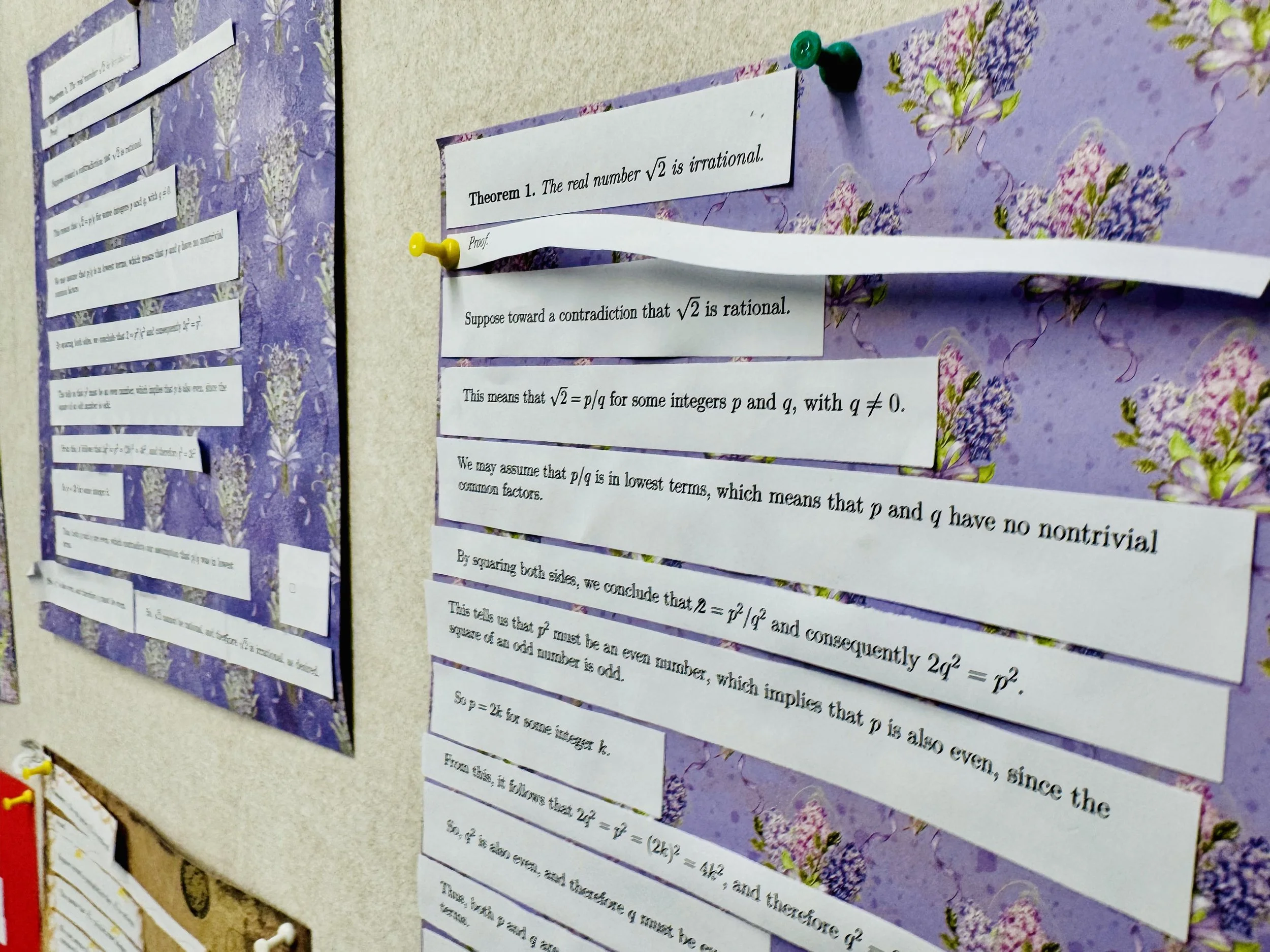
The person doing the work is the person doing the learning.
Morning coursework
Mornings are dedicated to non-math classes: the arts, humanities, social studies, laboratory sciences, and computer science, with students generally taking four full-year morning courses at a time.
Our middle school classes are hands-on, immersive, and invigorating, giving students the chance to rise to the occasion, bumps and all. This is a perfect time for kids to make mistakes, and for teachers and parents to resist the temptation to prevent them from messing up. It's an important time of identity and value formation.
Our high school classes are more analytical. Students take first steps in research during ninth-grade biology, with additional opportunities for research in the humanities, social sciences, and sciences in tenth through twelfth grade. Many Proofniks successfully seek outside research opportunities, exhibiting their growing independence that is a hallmark of our high school experience.
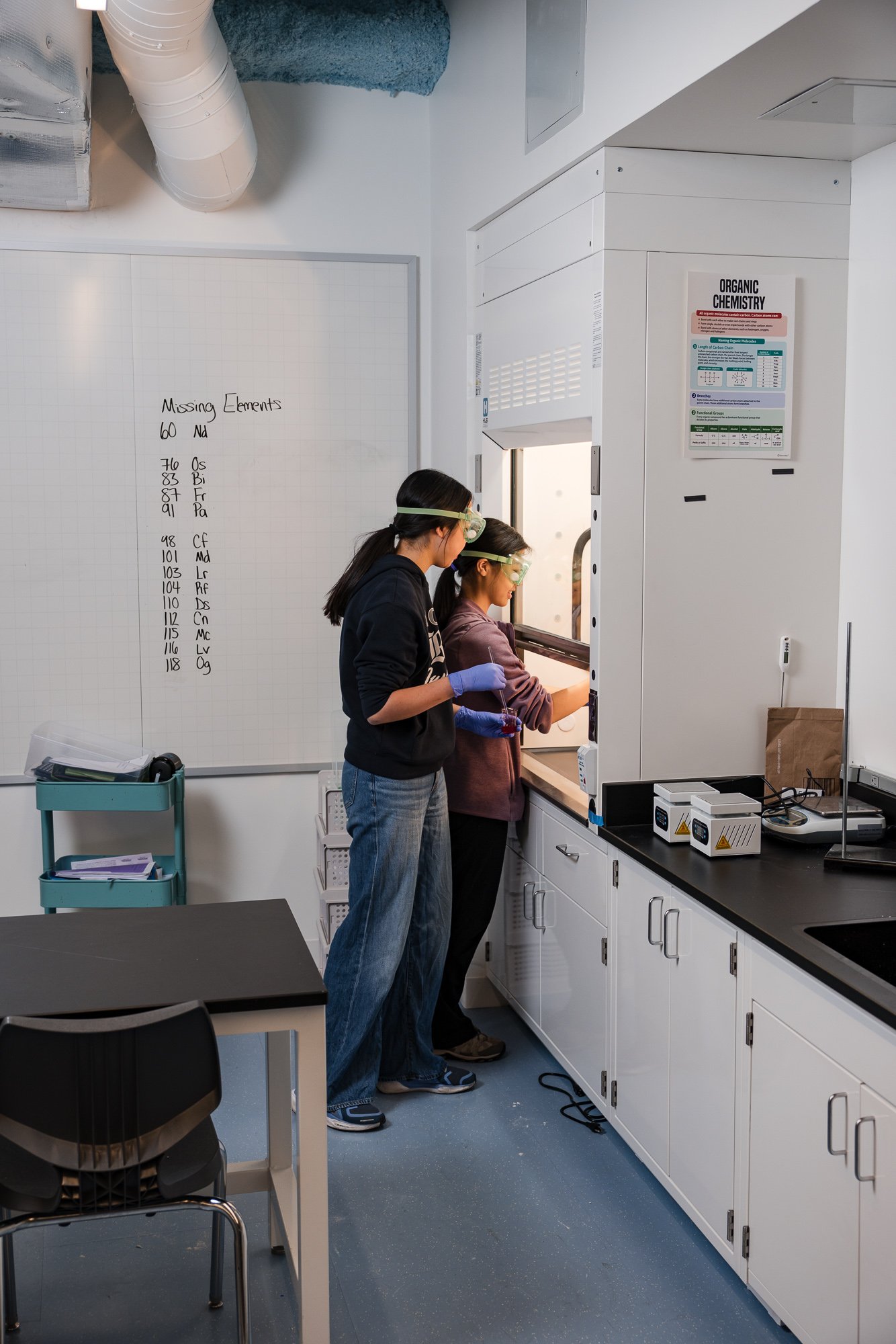
Middle school: breadth & specificity
Each year, middle schoolers take courses in language arts, science, and CS. Our 6th graders participate in a workshop as their fourth morning class, while 7th and 8th graders take social studies as their fourth class. We’ve recently offered a language arts class based on codes and ciphers, a CS class on game programming, and a science class on chemistry in our daily lives.
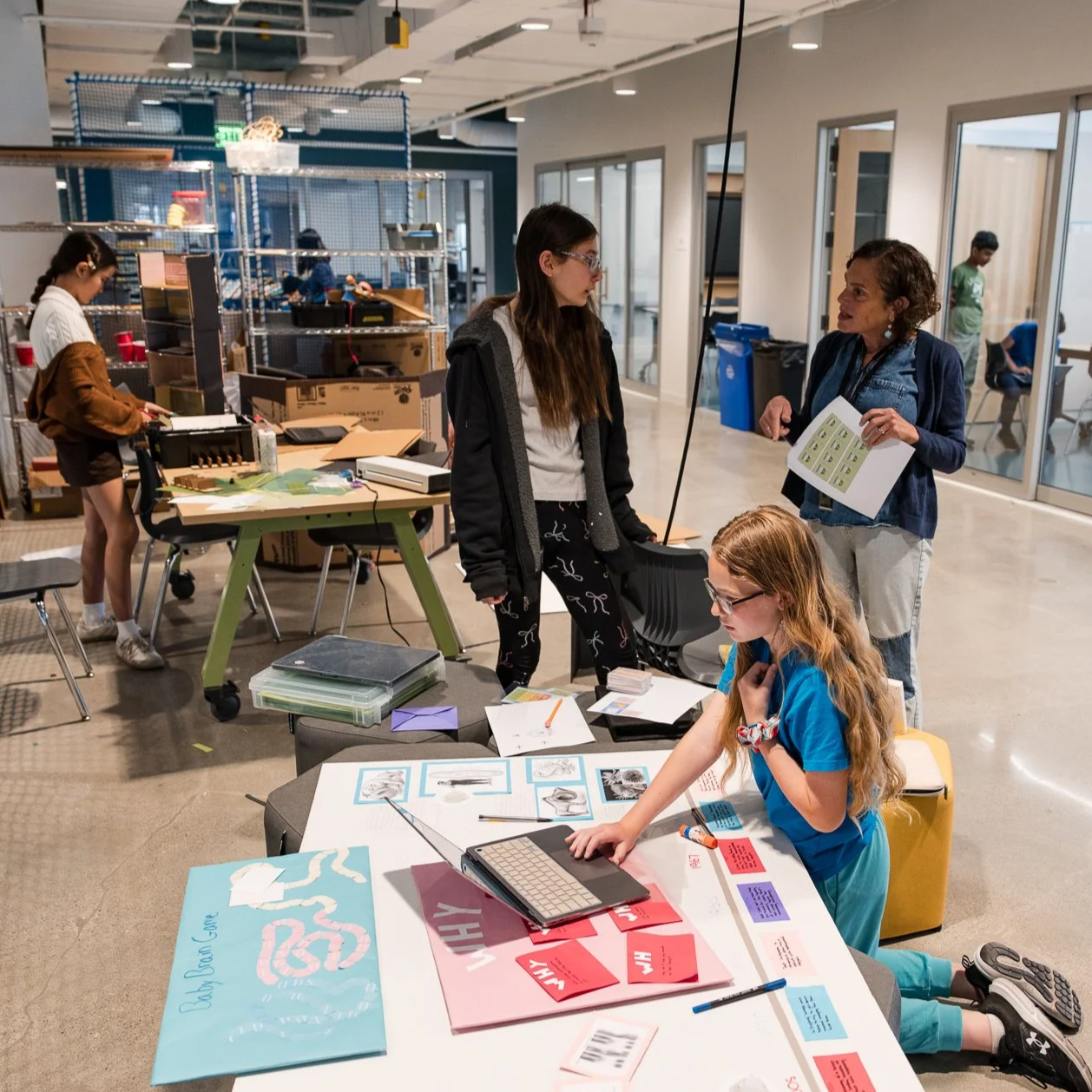
The 6th grade year is a joyful, hands-on, curiosity-driven introduction to middle school. Students tackle challenging content through extended endeavors — in the past, they’ve planned their own vegetable garden, built 10-foot-tall inflatable sculptures, and staged A Midsummer Night’s Dream. For the rest of middle school, kids are in mixed grade level classes, with courses on a two-year rotation that reinforce key skills and habits.
High school: core & elective courses
The high school experience at Proof is predicated on making choices. In 9th grade, students elect to take an art class or a computer science class; in subsequent years, students make an increasing number of choices, with many 12th graders having two or three advanced morning electives. This approach ensures students can discover and pursue interests, make deliberate decisions, and take initiative.
We calibrate our high school courses at the advanced and college levels. A core requirement of literature, science, history, language, and art ensures students take a broad range of courses. These classes emphasize engagement rather than broad surveys, with deliberate instruction on critical thinking and problem solving, communication and collaboration, and research and writing. Throughout their years, students read data, primary texts, and scholarship, with creative projects prompting research and inquiry.
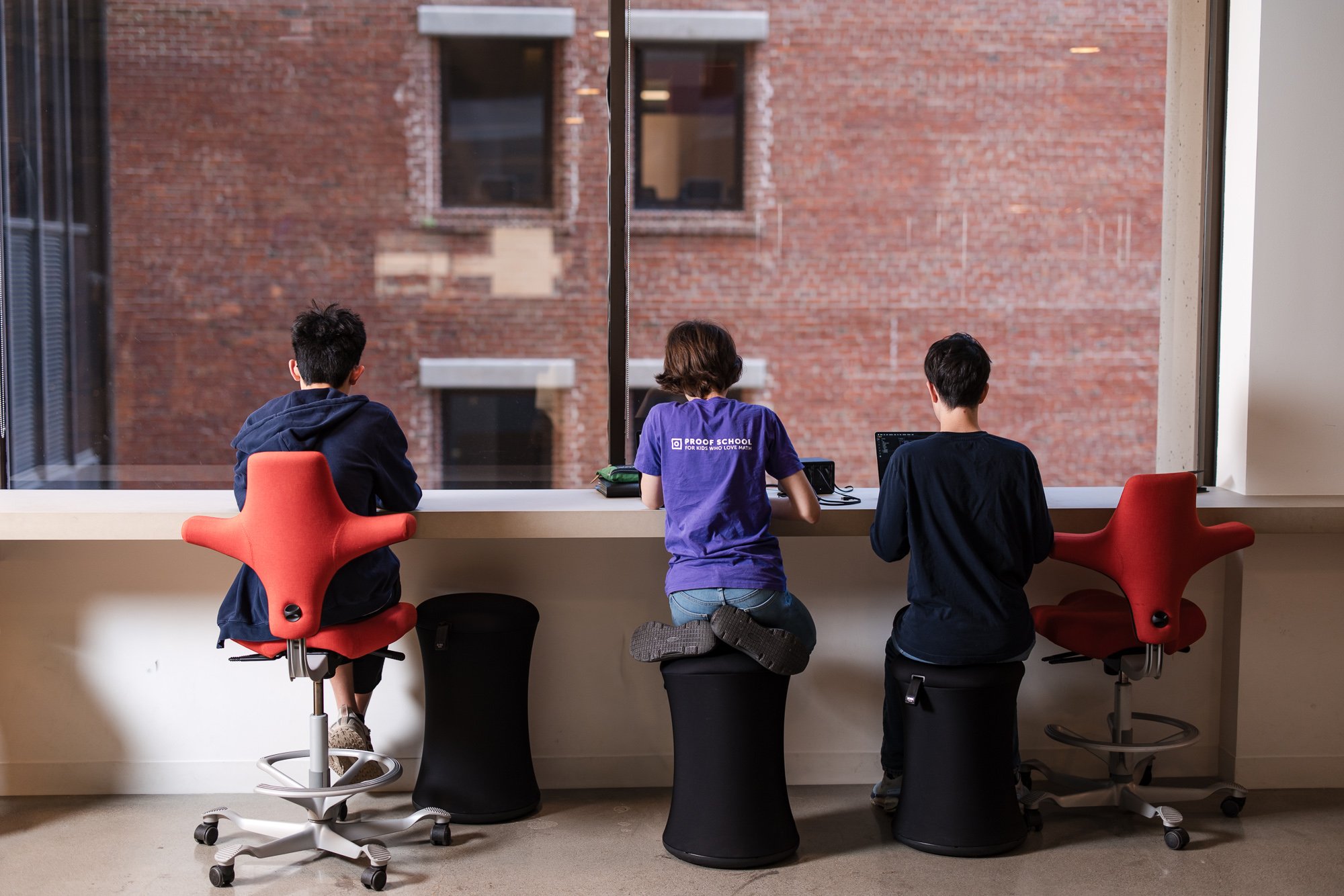
Pedagogy isn’t about teaching. It’s about learning.
Making time
Each day features two morning courses, and one or two math courses. Morning courses meet twice weekly, either M/Th or T/F, for 80 minutes each day, and come with reasonable homework loads that sidestep busy work. The longer class periods create more opportunities for classes to be multi-modal — it’s common for a single class period to have discussion, small group work, and a writing workshop.
We dedicate Wednesday mornings to clubs, study hall, and a (beloved, at least for teachers) whole-school clean up. When there is a Monday holiday, we shift the days and lose Wednesday, which has given rise to “Muesday” (but, interestingly, not “Tensday”).
Monday / Tuesday / Thursday / Friday
- 9:25–9:35Morning meeting
- 9:35–10:55Class 1
- 10:55–11:10Break
- 11:10–12:30Class 2
- 12:30–1:00Lunch + clean up
- 1:00–1:30Activities + meetings
- 1:30–2:30Math 1
- 2:30–2:40Break
- 2:40–3:40Math 2
Flex Wednesday
- 9:25–9:35All-school clean up
- 9:35–10:35Wednesday activities 1
- 10:35–10:45Break
- 10:45–11:45Wednesday activities 2
- 11:45–12:30Study Hall
- 12:30–1:25Lunch
- 1:30–2:30Math 1
- 2:30–2:40Break
- 2:40–3:40Math 2
Monday / Tuesday / Thursday / Friday
9:25–9:35 Morning meeting
9:35–10:55 Class 1
10:55–11:10 Break
11:10–12:30 Class 2
12:30–1:00 Lunch + clean up
1:00–1:30 Activities
1:30–2:30 Math 1
2:30–2:40 Break
2:40–3:40 Math 2
Flex Wednesday
9:25–9:35 All-school clean up
9:35–10:35 Activities 1
10:35–10:45 Break
10:45–11:45 Activities 2
11:45–12:30 Study Hall
12:30–1:00 Lunch + clean up
1:00–1:30 Activities
1:30–2:30 Math 1
2:30–2:40 Break
2:40–3:40 Math 2
Blocks & Build Weeks
All courses run in ~8-week increments that we call “blocks” (there once was a movement to call them “bricks”), and four blocks make up the year. (And you thought atoms made up everything.) When you throw in Build Weeks, intersession, and alumni day, you get a pretty typical ~38-week school year. But that doesn’t make us typical! Instead, we deliberately create lots of non-class time so that kids can interact with each other and their teachers. By baking everything into the school week and year, we’re sending the message that learning happens both inside and outside the classroom.

- Aug 17Orientation for new HS students
- Aug 18Orientation for new MS students
- Aug 19First day of school / Block 1 begins
- Sep 7Labor Day (no school)
- Sep 12Back to School (for parents)
- Oct 14SAT, PSAT, + Practice SAT Day
- Oct 15–19Fall break
- Oct 20Block 2 begins
- Nov 23–27Thanksgiving break
- Dec 17–Jan 1Winter break
- Jan 18MLK Jr. Day (no school)
- Jan 19Block 3 begins
- Feb 15–19February break
- Mar 25–29Faculty days (no school)
- Mar 30Block 4 begins
- Apr 19–23Spring break
- May 31Memorial Day (no school)
- Jun 3Symposium + 8th grade promotion + graduation
- Jun 4Last day of school field trip
Key dates
for 2026–2027
Aug 17–18 New student orientations
Aug 19 First day of school
Sep 7 Labor Day
Sep 12 Back to School
Oct 14 SAT + PSAT School Day
Oct 15–19 Fall break
Oct 20 Block 2 begins
Nov 23–27 Thanksgiving break
Dec 17–Jan 1 Winter break
Jan 18 MLK Jr. Day
Jan 19 Block 3 begins
Feb 15–19 February break
Mar 25–29 Faculty days
Mar 30 Block 4 begins
Apr 19–23 Spring break
May 31 Memorial Day
Jun 3 Symposium + graduation
Jun 4 Last day of school field trip
Our classrooms are driven by curiosity.
Our teachers are curious, too
It’s exciting to be around kids who feel they’re in the right place. Many of our teachers earned PhDs, and then realized what they love doing most is working with kids. It takes a unique person to step onto our campus, and transition from discussing Weber’s views on modernity, morphisms in category theory, or Neruda’s purposefully failed similes to playing pickleball, chaos tag, or human frogger.
Our teachers are intellectually vibrant, creative, and compassionate individuals who are united by a shared mission of nurturing and challenging our students. Supporting them are a duo of dedicated administrative staff. Our school leadership team oversees the daily learning environment of the school, while the Board of Directors steers the school’s long-term trajectory.
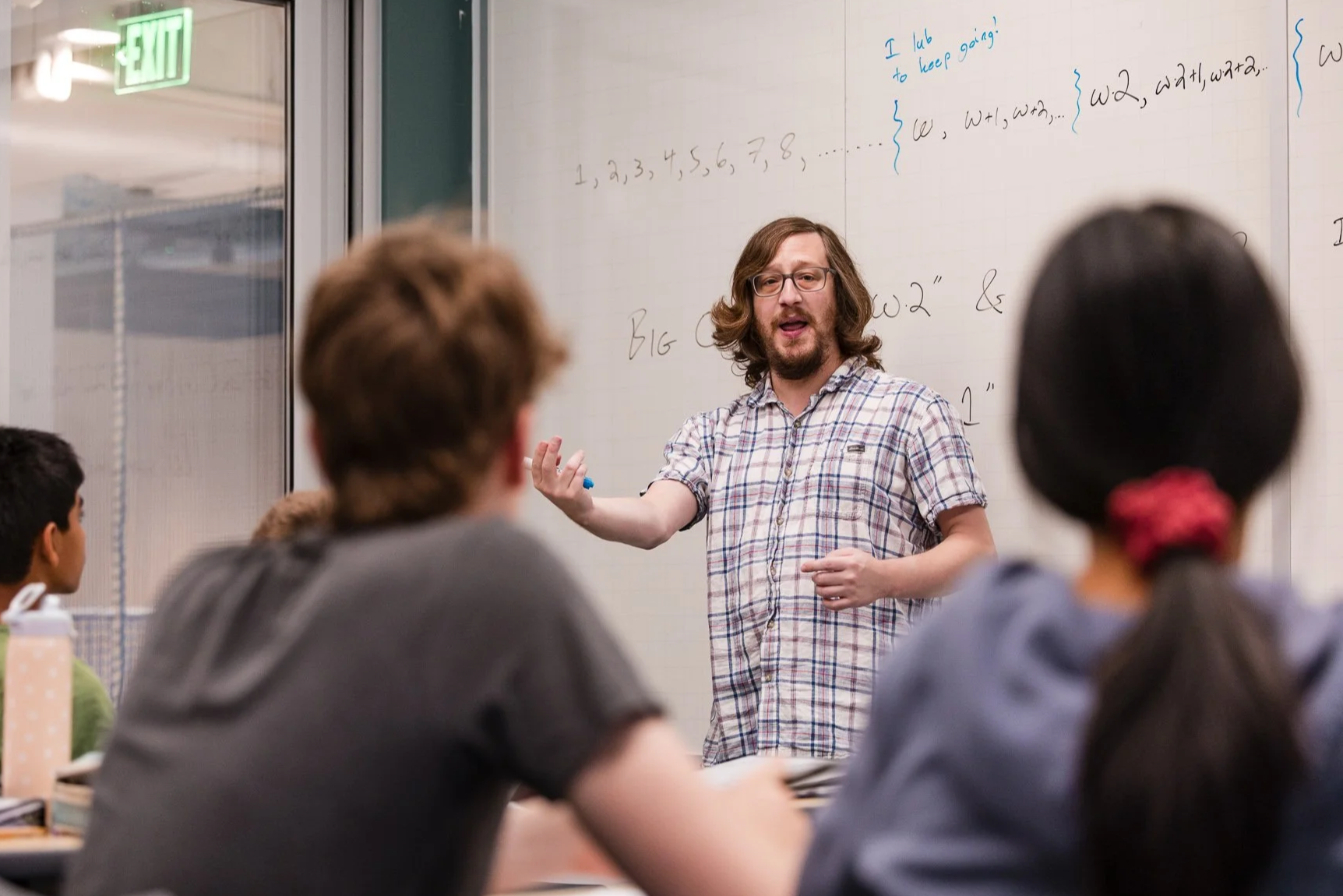
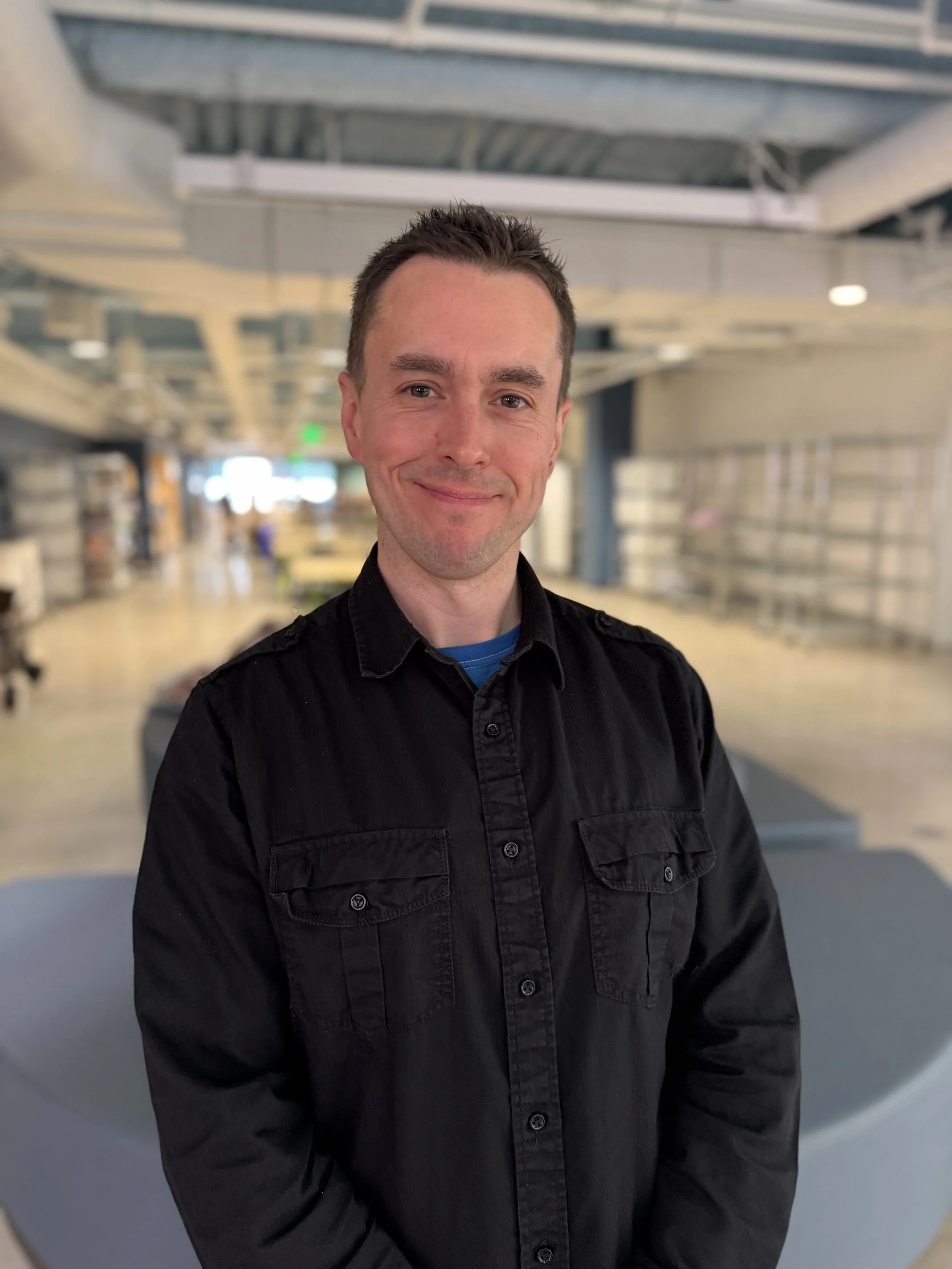
Patrick Zulkowski
What do the kids call you?
Dr. Zed.
Why two PhDs?
When I was young, I was really interested in astronomy, which got me interested in how the universe works. To understand that, I needed to learn physics. And to learn physics, I had to get good at math. Over the years, I came to love both physics and math for their own sake.
What surprises you about Proofniks?
What surprises me most about Proofniks is how often they go above and beyond what I ask of them, both in class and on homework assignments. It shows how eager they are not only to excel in the class, but also to understand the material.
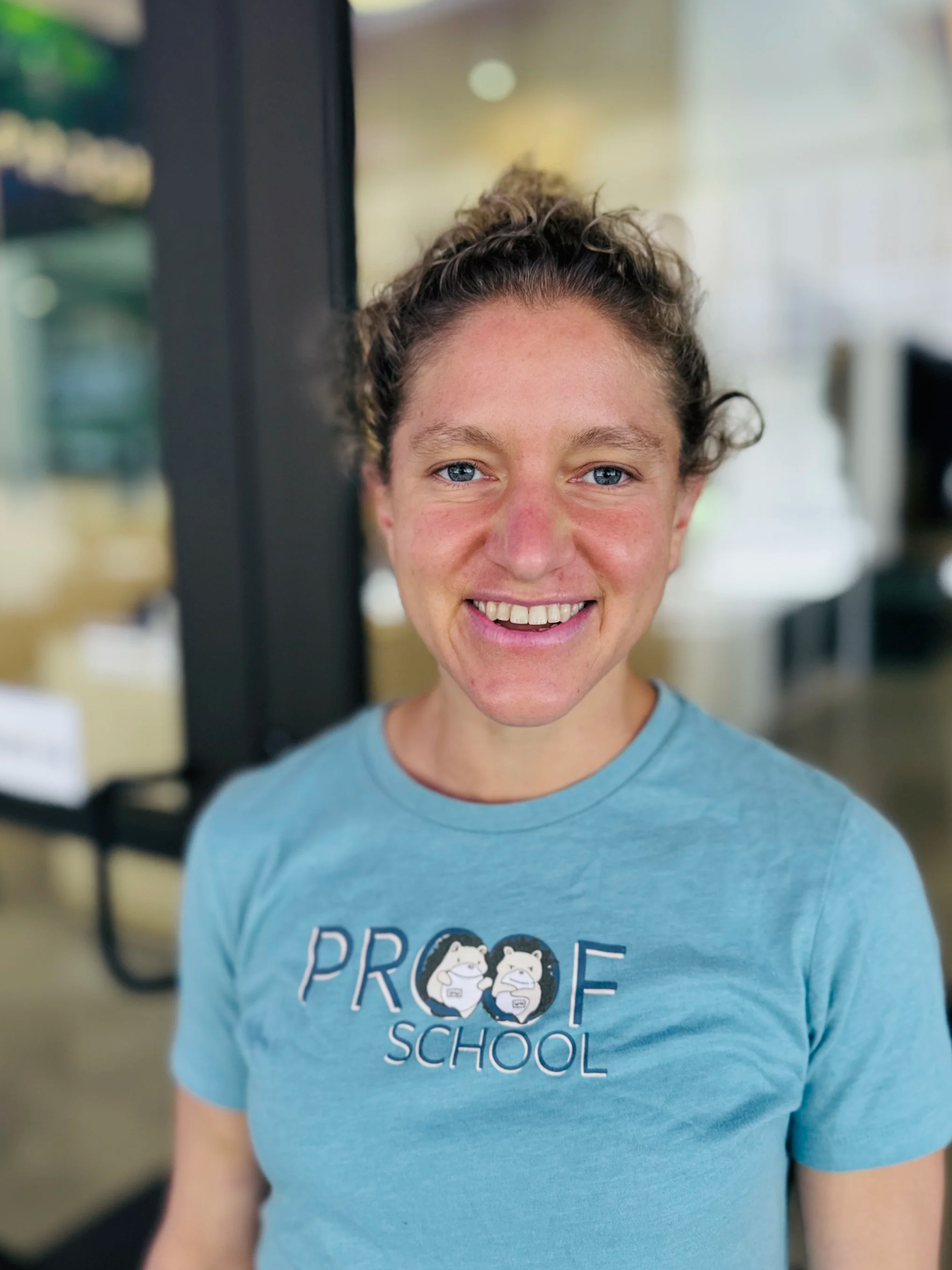
Shelly Manber
What do the kids call you?
Most of the students call me Shelly. A handful still call me Shkelly (mostly current 10th graders).
What was your dissertation on?
My PhD is in the intersection of number theory and arithmetic geometry, specifically the Tate-Shafarevich group of elliptic curves over function fields.
What do you like most when it comes to teaching younger Proofniks? What about older Proofniks?
I love how much energy and enthusiasm the younger Proofniks have. I love how thoughtful, creative, and perspicacious the older Proofniks are.
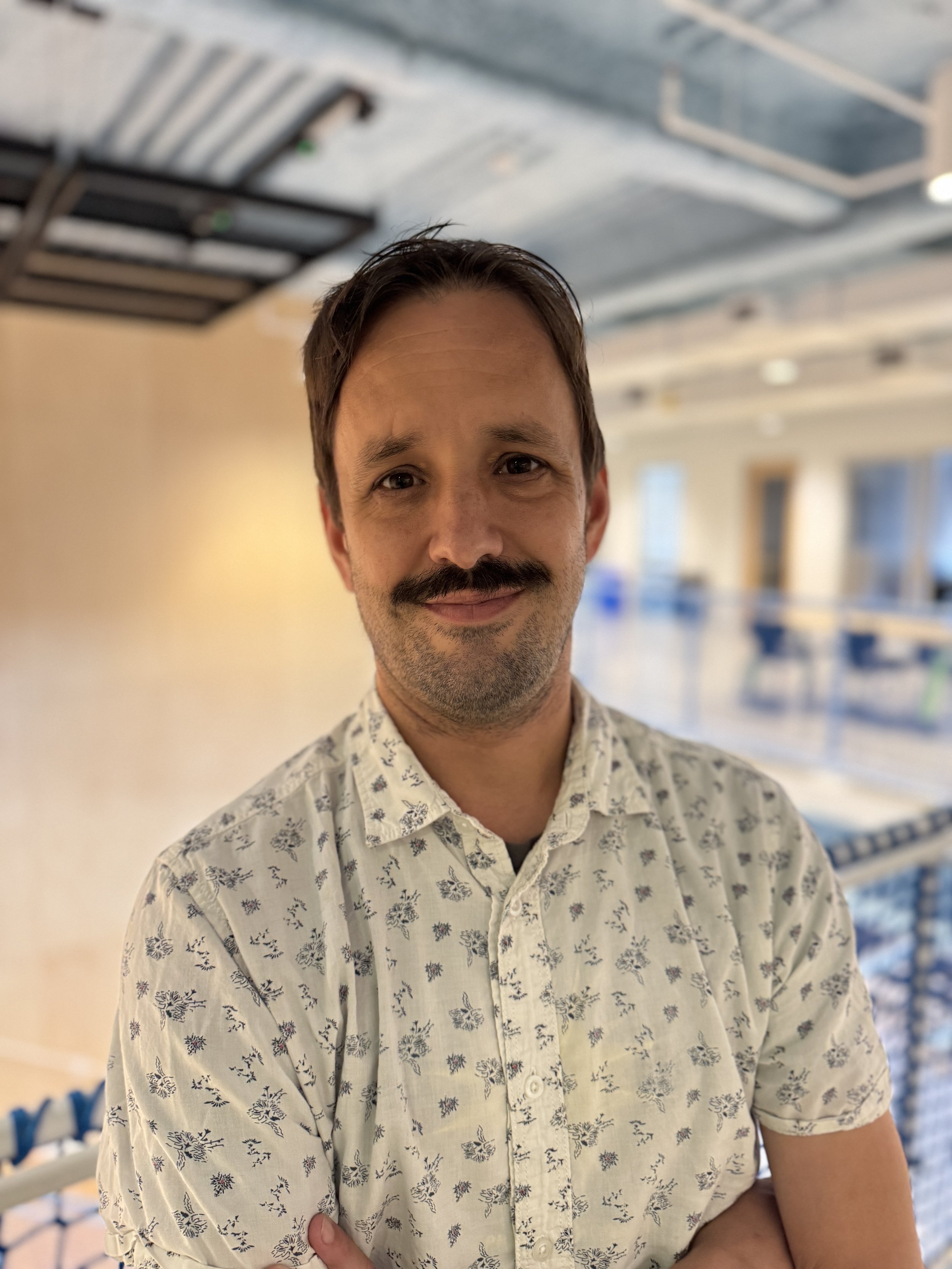
Joel Street
How long have you been with Proof?
I taught at Proof from 2018 to 2022 and returned in 2026 after teaching in Los Angeles.
What do the kids call you?
Dr. Street.
You've got a penchant for puns. Why?
I think puns serve a function besides eliciting groans. My pet theory is that they are a "fitness check" for the quality of communication. The best puns sneak up on their audience and make clear when a room is actually listening.
Learning isn’t always linear, but it does tend to happen over time.
How we assess
We’ve been separately evaluating a student’s achievement and disposition since our first year. The idea is that achievement indicates what a kid has learned to date, but not their relationship to that learning, or how persistent, resilient, and helpful they were. We pay a lot of attention to curiosity, kindness, perseverance, and flexible mindsets because they tell us what kind of learner a kid is becoming. In some ways, achievement is about past performance, whereas disposition suggests a potential future. (And yes, both show up on our transcript!)
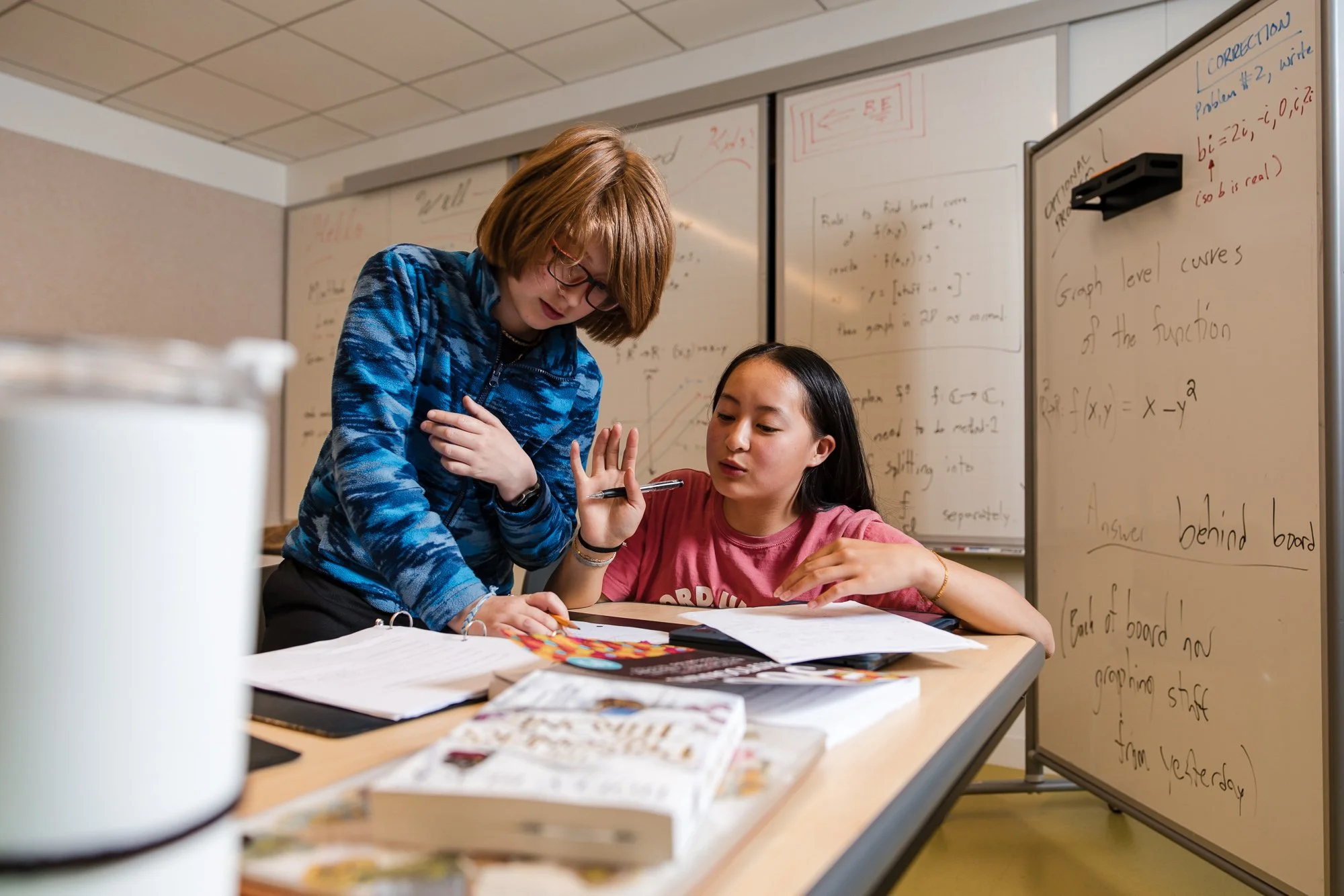
How we do academic reporting
We all know that grades (or ratings, in Proof speak) aren’t even the tip of the iceberg. That’s why, four times per year, we also prepare narrative reports describing each student’s academic achievement and disposition. These reports offer specific guidance about students’ progress and where they should focus next, with a constant eye toward growth.

…and how we differentiate
There’s a balance between individuation and community. At Proof, we match math and CS classes to a student’s background; everywhere else, courses are developed for specific grades (for us, that’s 6th and 9th) or grade groups (7th–8th, 10th–12th). We started out this way because our size made it hard to do it any other way, but we’ve since discovered that kids really benefit from a mix of differentiation and community. It really is a feature!
We also work with students who have accommodations, supporting them in developing the skills, strategies, and independence they will need in college and beyond.
Work with us
We do national searches each year in specific fields. Positions typically begin in July the following year, and come with low class loads and generous benefits. This year, we our searches include math, science, and the humanities.
Full-time positions are structured to allow teachers ample time to prepare for classes, respond to student work, and collaborate with colleagues. A standard teaching load totals 10 hours per week of class time, with an average class size of 12 students. Faculty participate in the full life of the school, from running clubs to mentoring students to engaging in outreach.