Math brings us to the front door.
Math brings us to the front door.
Community keeps us coming back.
Community keeps us coming back.

Community to the core
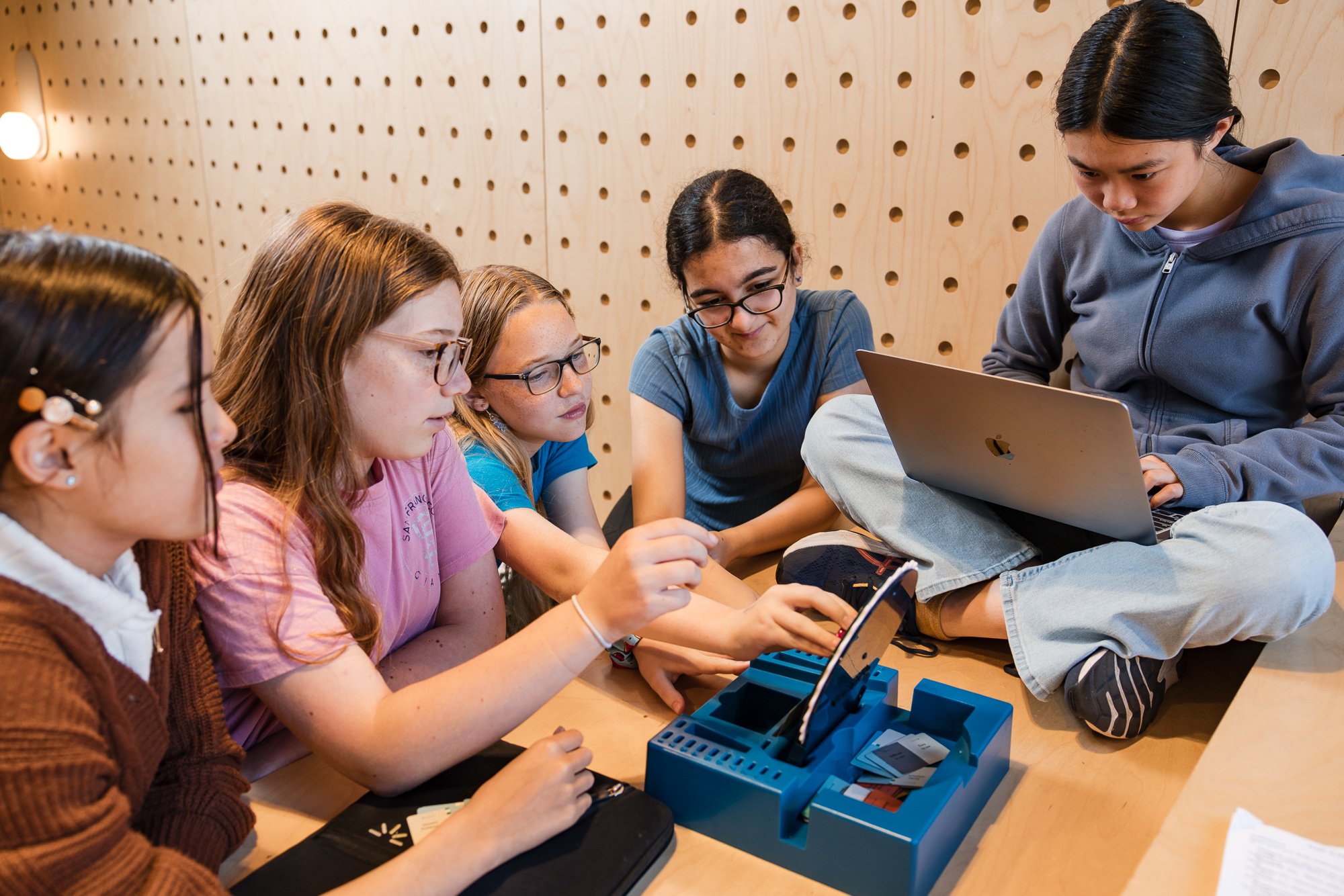
We like being a small school. Every day, we gather in the pickleball court for morning meeting, where our Head of School usually presents a playful puzzle to reveal that day’s birthday. (Each year we seem to hand out some sort of fun token, like the beloved rubber ducks and non-periodic tiles.) This isn’t an assembly but a core part of our community. We get each person at Proof to sit together at the start of each day. Be on the lookout for skits (announcing the theme of this year’s dance), hear where that giant game of The Resistance is going to happen, and every once in a while, a chance to score a point to earn an all-school treat.
Clubs, activities & after school
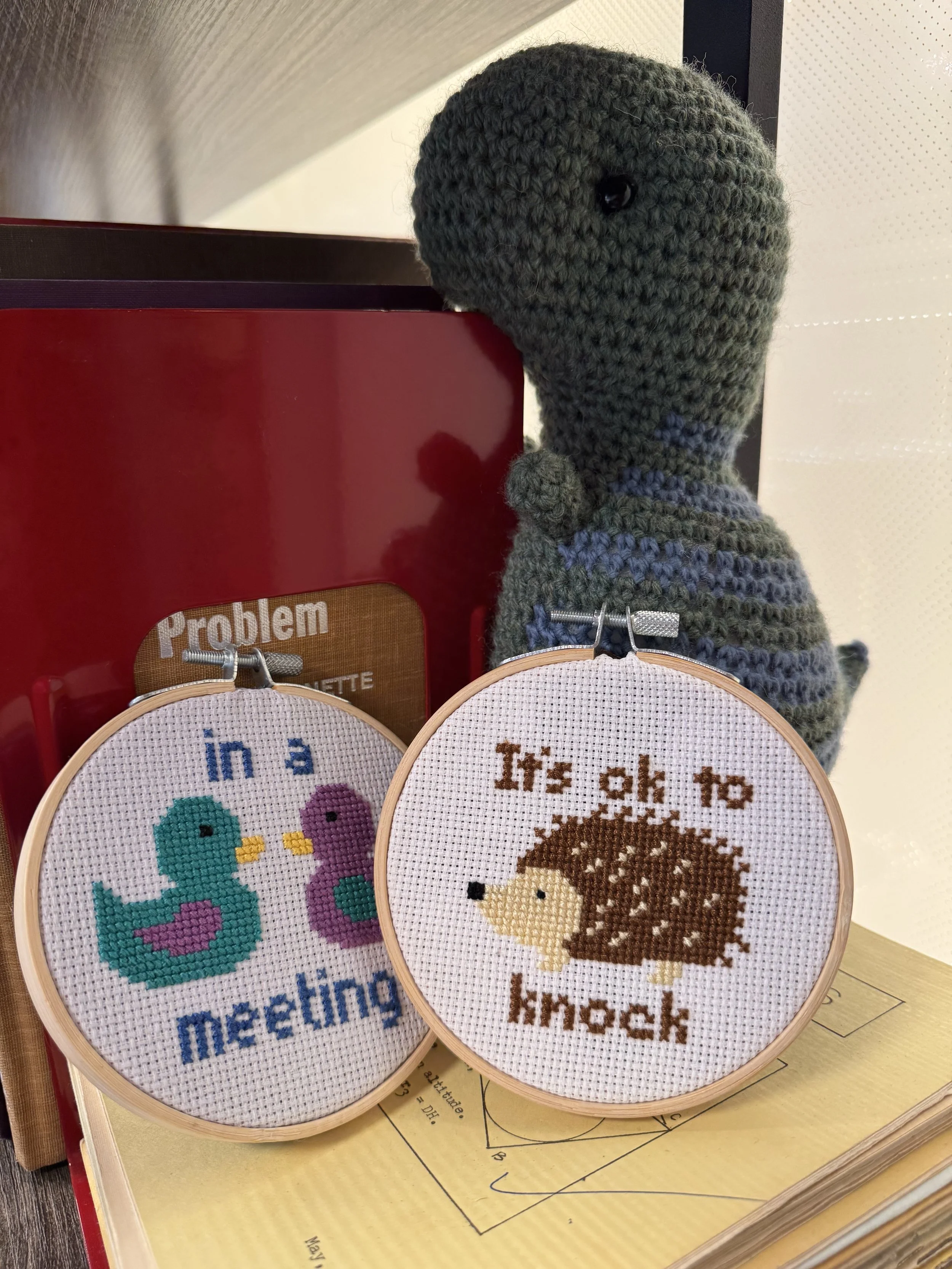
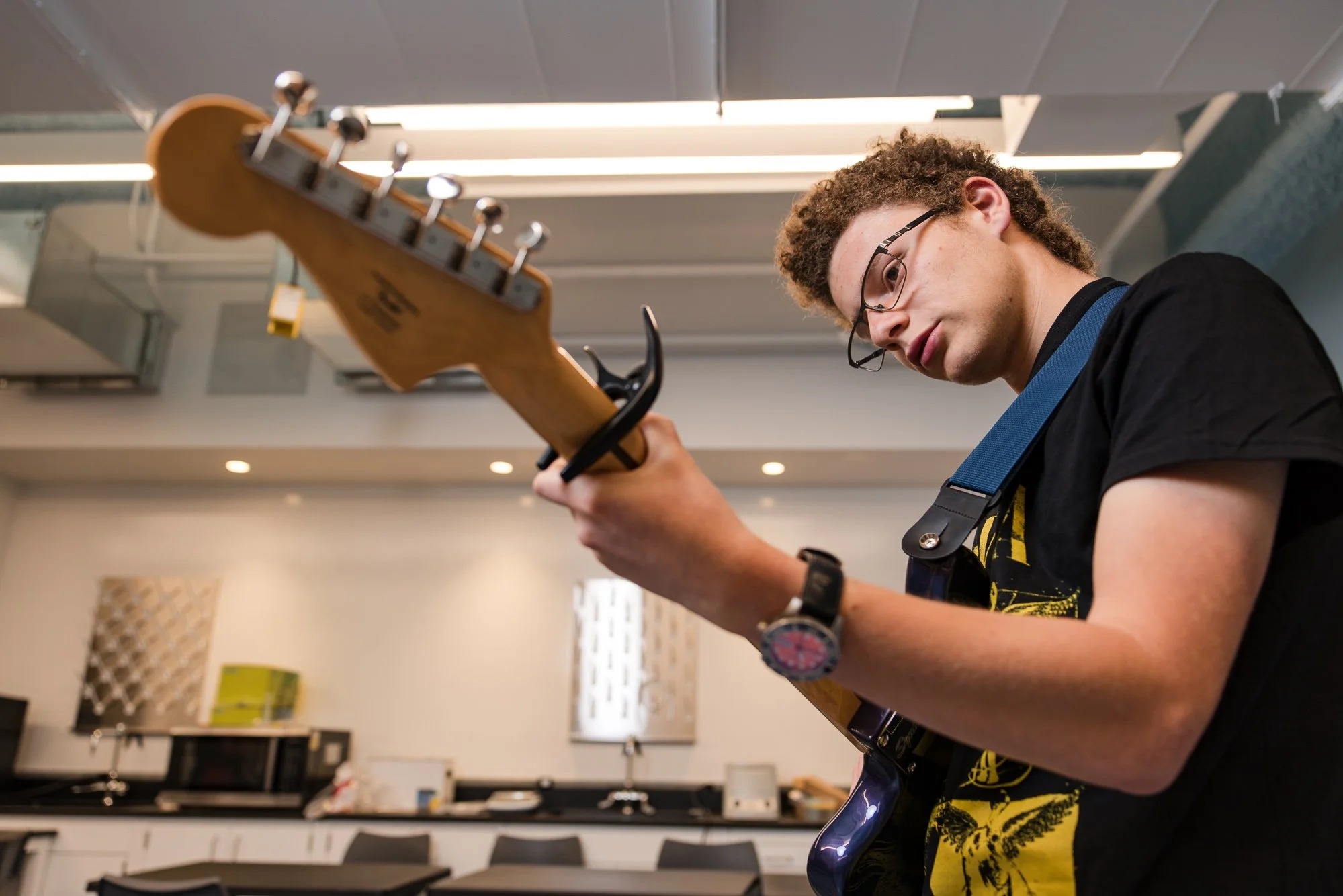
It turns out that there are a lot of worthwhile activities that don’t fit neatly in a typical school day. That’s why we devote most Wednesday mornings to clubs, activities, and study hall. We encourage kids to take the lead on proposing activities and weighing in on the activities they want to do. We really are a place where awesome, but random, things come to life. We’ve built a life-size inflatable elephant, let 12th graders figure out how to cook a dorm meal, and jammed out in our very own Proof School of Rock. (Just don’t ask us about the time kids proposed “Watch Grass Grow”—it didn’t make the, um, cut.) After school, we’ve led rock climbing, a maker lab, and Counterexamples, our ode to melody and music.
Games
- Chess Club
- Magic: The Gathering
- DnD
- Magic Tricks
Arts & Crafts
- Crochet Creations
- Hyperbolic Crafts
- NaNoWriMo
- Wire Sculpture
Theater & Music
- Theater
- Jazz Jam
- Proof School of Rock
- Counterexamples
Food
- Tasty Treats
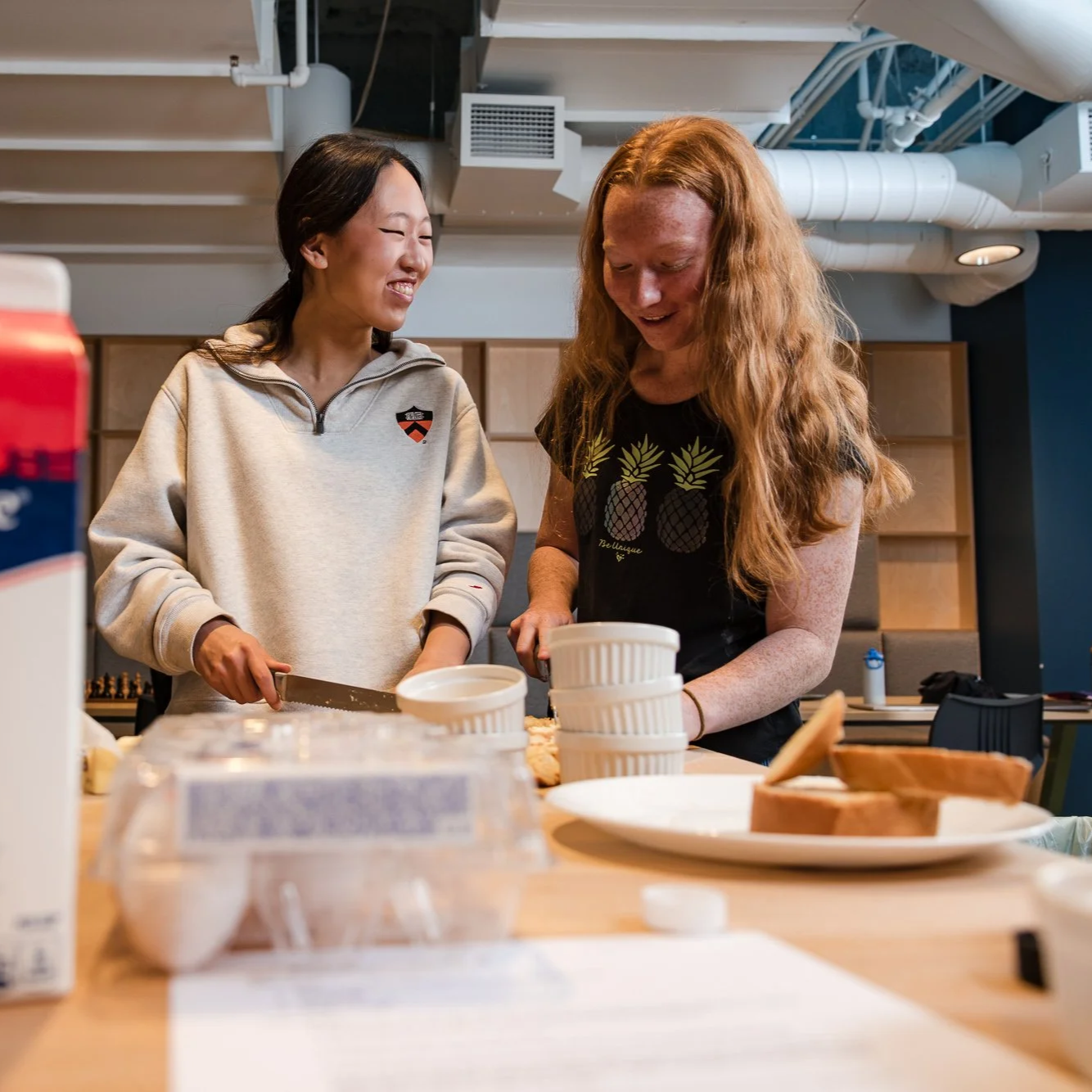
- College Meal Prep
- Wander Snacks
- Artistic Bakes
Sports
- Pickleball
- Ultimate Frisbee
- Shoot Pool w/ the Head of School
- Route Setting Climbing Wall
Math
- Math Mail
- MATHCOUNTS Practice
- How to Calculate on a Desert Island
- Puzzle Hunt
CS & Electronics
- Proof Coding Competition
- Intro to Julia
- Create with Code
- Building Electronic Circuits
And more!
- Harvard Model Congress
- Philosophy Club
- Synthetic Biology Boot Camp
- Lego Engineering
Recent clubs + activities
Games
Chess Club
Magic: The Gathering
DnD
Magic Tricks
Arts & Crafts
Crochet Creations
Hyperbolic Crafts
NaNoWriMo
Wire Sculpture
Theater & Music
Theater
Jazz Jam
Proof School of Rock
Counterexamples
Food
Tasty Treats
College Meal Prep
Wander Snacks
Artistic Bakes
Sports
Pickleball
Ultimate Frisbee
Shoot Pool w/ the Head of School
Route Setting Climbing Wall
Math
Math Mail
MATHCOUNTS Practice
How to Calculate on a Desert Island
Puzzle Hunt
CS & Electronics
Proof Coding Competition
Intro to Julia
Create with Code
Building Electronic Circuits
And more!
Harvard Model Congress
Philosophy Club
Synthetic Biology Boot Camp
Lego Engineering
Build Weeks & Intersession
A few times a year, we halt our typical schedule to have fun for a spell. Some past themes for these Build Weeks have been Adventure, Art Burst, Carnival, and {Random}. A teacher once led a game called Keep Talking and Nobody Explodes, and all evidence pointed to a win. Build Weeks are so much fun that we run a two-week Intersession in January, with crash courses that ranged from Math of Gerrymandering to The Science of Cooking, and just-for-fun activities like Baba is You, Ghibli and Minis, and a good, old-fashioned Food Crawl.
Special events
How does a school for kids who love math celebrate Pi Day? We bring in pies, and we eat them. In fact, the past several years we’ve had roughly π number of students per pie. The current record for the most slices of pie is 17. (No joke.)
There’s more to the year than Pi Day. Each year we celebrate Halloween with costumes, decor, games, and treats. There’s also a high school dance, DJ’d by one of our teachers, and planned and decorated by students. Our end-of-year practice graduation is always a hoot: kids make our graduates custom caps and faux diplomas (they’re giving preschool), and our Head of School’s speech is legendary. (You’ll just have to find out for yourself.)
We have so much fun that alumni want to come back, so we’ve instituted a day for them to mix with current Proofniks. This past year they were invited to our carnival, with homemade games made out of cardboard and hot glue. Lots and lots of hot glue.
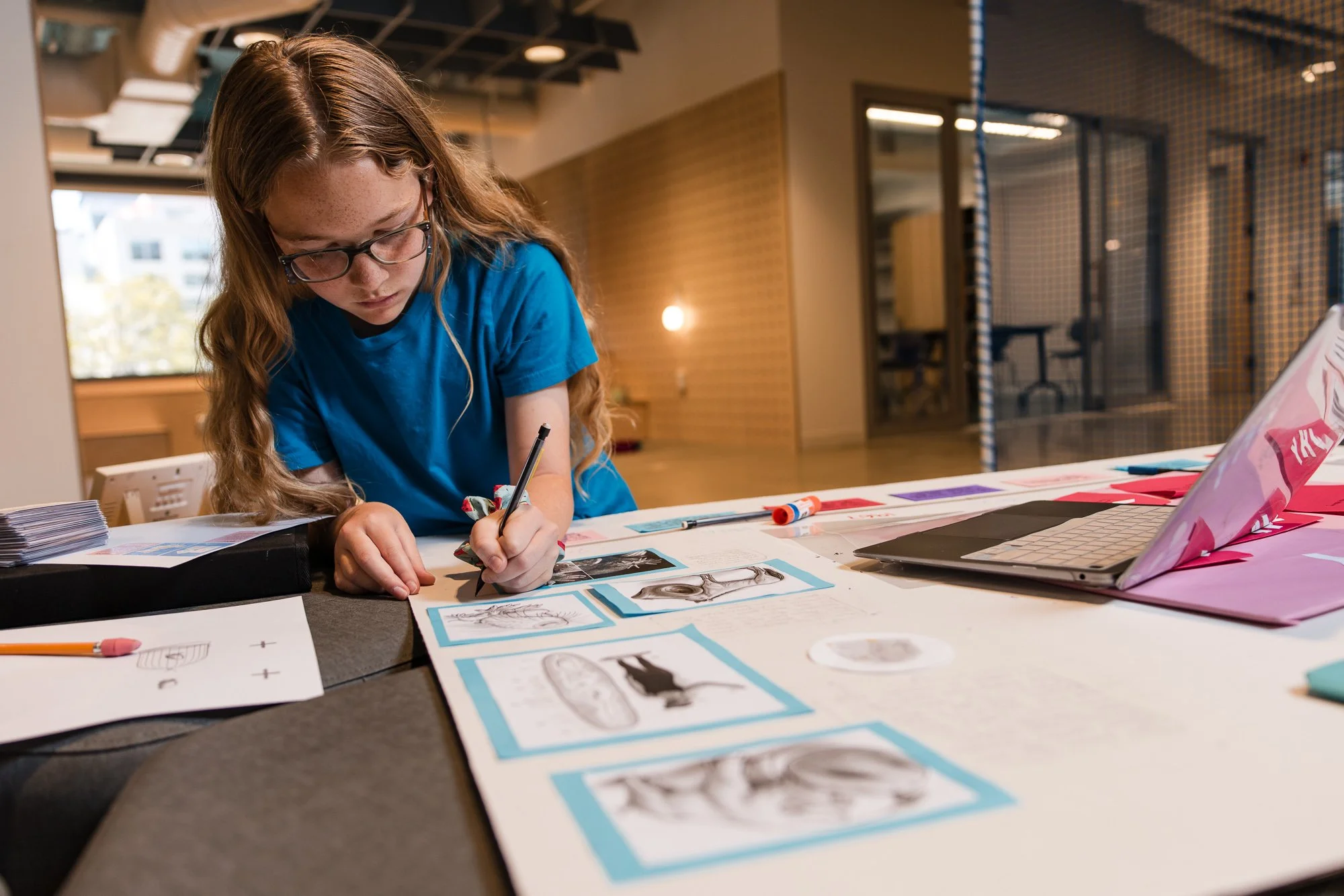
Trips, near and far
We started doing class trips a while back, and saw how great it was for kids to connect. For the past several years, our 8th graders have been going to HI Point Montara Lighthouse in October. Later in the year, our 11th and 12th graders go on a bigger adventure: to Washington DC (just in time for the opening of Hamilton!), San Diego, Seattle, and Honolulu.*
There are loads of opt-in trips, too. Latin students have been attending the JCL conference the past handful of years, camping trips are always a good time, and our delegation for Harvard Model Congress has been growing. And we’re starting to think about international trips, and retreats for 6th graders and 9th graders.
*Note: Hedgie Wedgie heard NYC is on this year’s list.
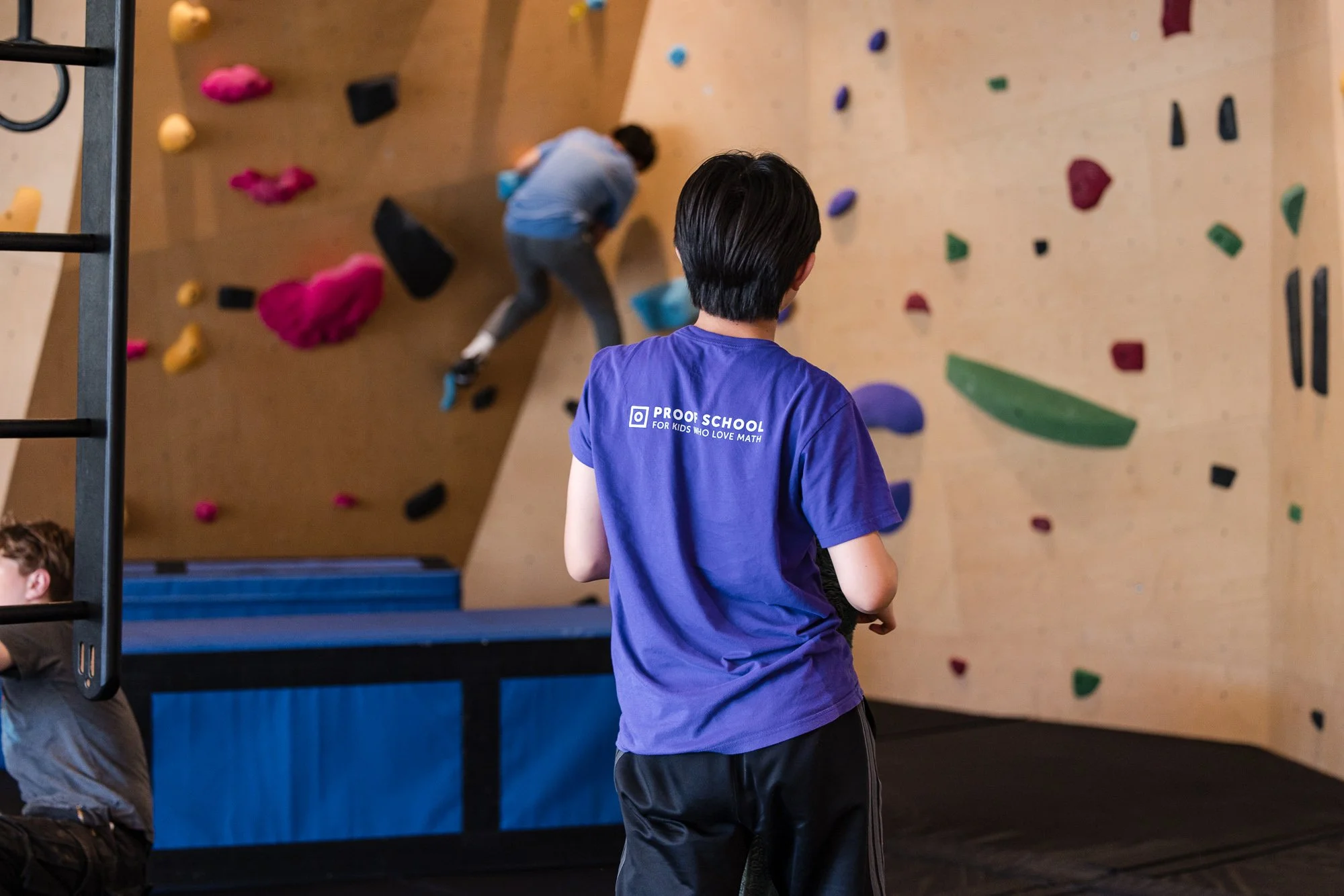
We like having fun.
To prove it, here is some space
just for doodling.

A Few Puzzles for You
-
1. What kind of soup is easily found in California’s capital, and what other meal can you make from the “leftovers”?
Ramen — and tacos, from the leftover letters.
-
2. I saw a map where (as usual) north was up and south was down, but (not as usual) east was left and west was right. There was no mistake! What was it a map of?
The stars.
-
3. One might think the most “sinful” animal is the slow-moving, tree-dwelling Bradypus variegatus. But what other animal is just as bad, when in groups?
Lions — a group of lions is a pride! (A group of crows, a murder, works too.)
Austin Shapiro, PhD
How long have you been with Proof?
I've been teaching at Proof since the day the school opened in 2015!
What do the kids call you?
They call me Dr. Shapiro. I'm not a real doctor but I am a real Shapiro, an actual Shapiro.
For the past 11 years, you’ve been putting a puzzle on a name tag each day. Where do you get the inspiration?
I try to notice something interesting in the world every day, and then I want to share what I noticed. Turning it into a puzzle is a fun way to do that!
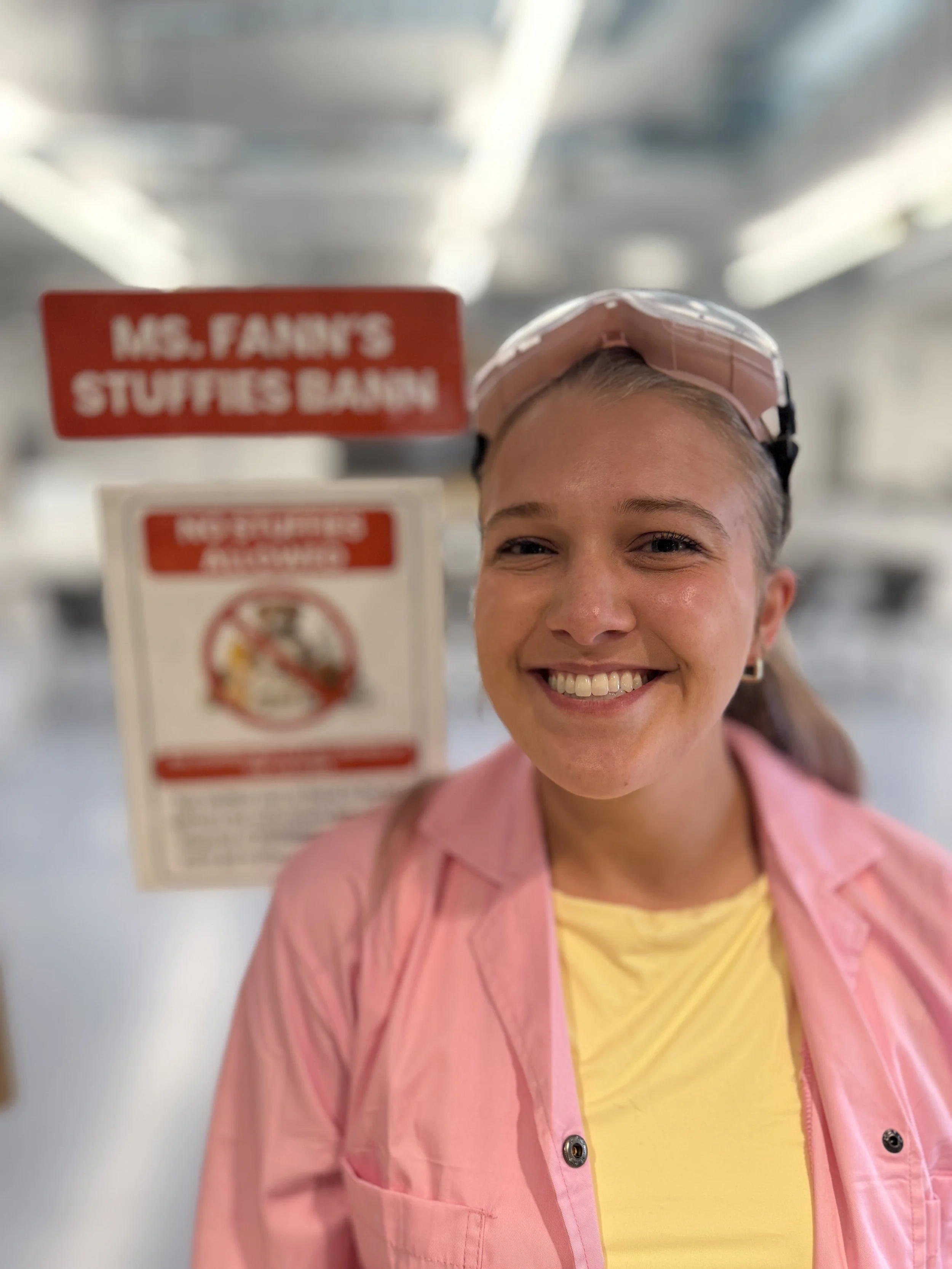
Alivia Fann
What do the kids call you?
Ms. Fann.
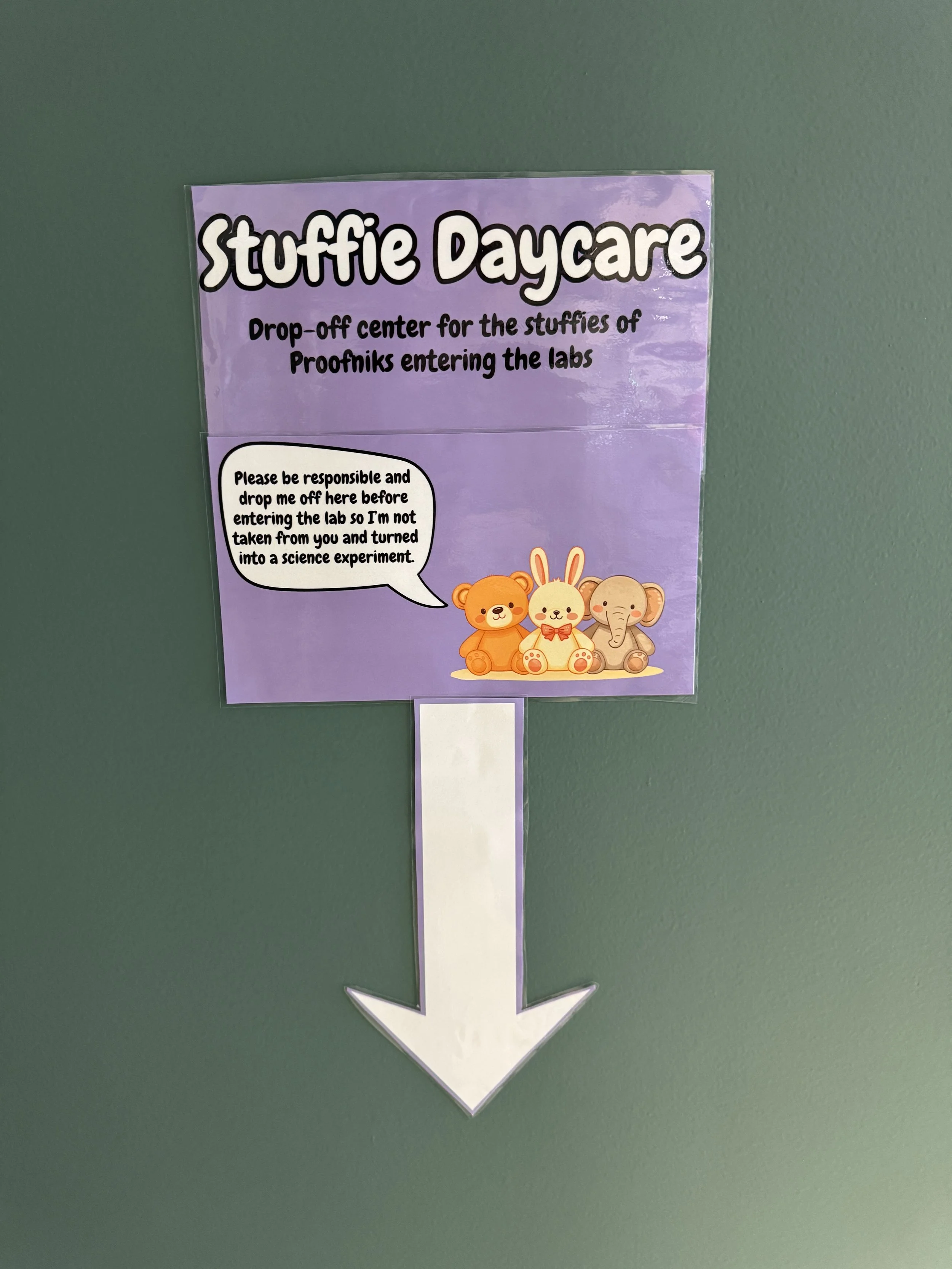
Outside your classroom, you've got a sign banning stuffies from the lab, and you've set up a stuffie daycare outside the door. What's that about?
“Ms. Fann’s Stuffies Bann [sic]” is primarily a matter of lab safety. While stuffies are excellent companions, they are even better absorbers and have very little respect for chemical hygiene. To prevent them from soaking up spills (or supervising experiments too closely), they spend chemistry class in the Stuffie Daycare outside the door, where they can relax with their peers until pickup.
Community Principles
1. Proofniks look out for each other.
2. Proofniks think before they act — and after.
3. Proofniks seek out new ideas and challenges.
4. Proofniks don’t jaywalk.
Advising
Every student has an advisor whose job is to know how they're doing, both academically and personally. Advising runs the gamut from thinking through course options to thinking through relationships, and one-on-one chats about setting goals to ad hoc grade-level meetings to handle anything that comes up. (We hear most of these meetings feature a treat of some sort!)
Each grade level has its own advisor, alongside a Director of Middle School Advising and a Director of High School Advising. In most cases, advisors also teach their advisees, which lets them see a kid on a regular basis and in a setting different from a counseling office. They're not meeting with a student only when something needs attention.
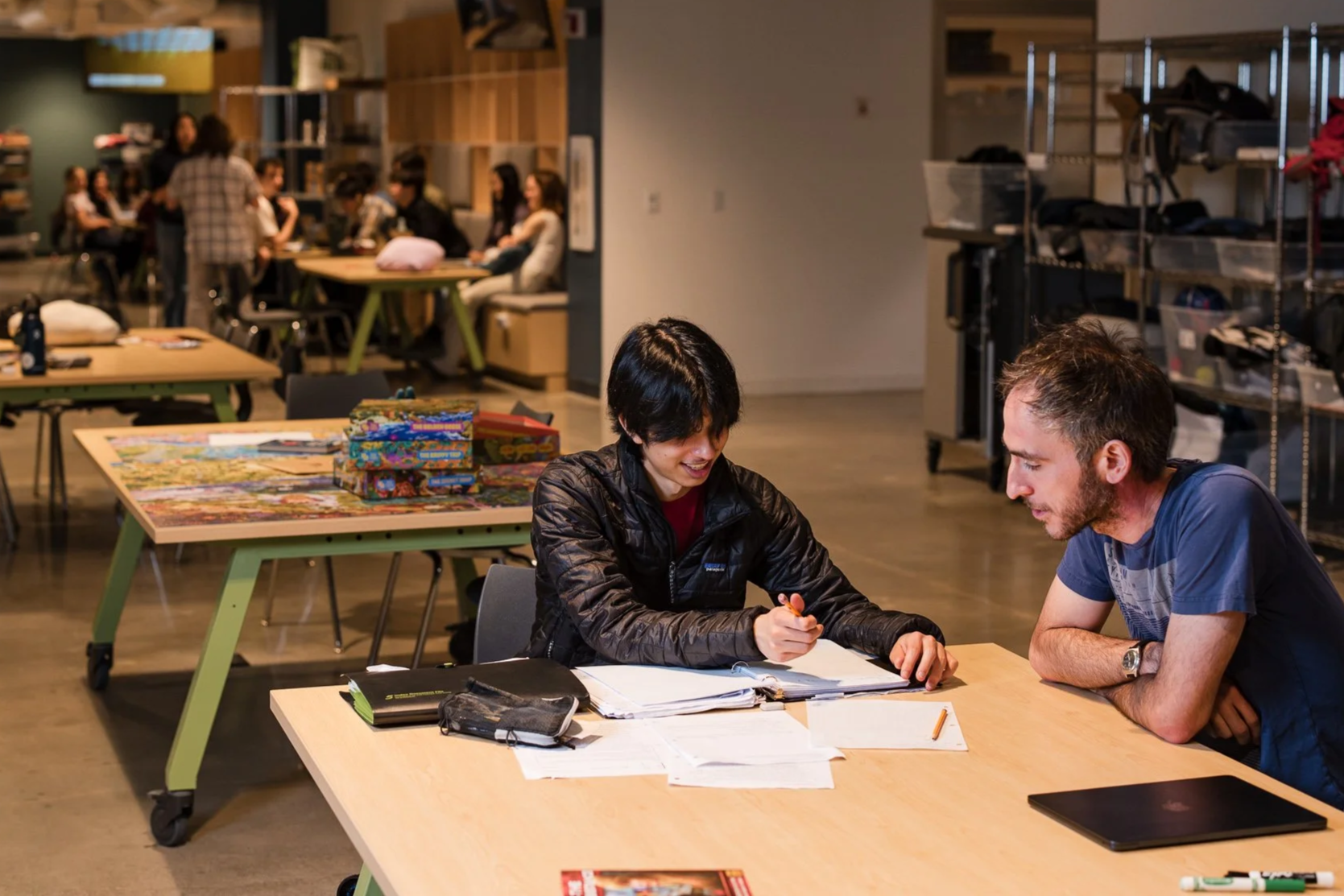
College counseling
Our focus on community throughout high school feeds directly into college counseling. At Proof, applying to college is not a lonely process! For us, college counseling is rooted in helping kids become interesting (and good!) people.
We also address the nuts and bolts of college applications, and offer an essential task list, a multi-day writing retreat, bootcamps in the summer, and dedicated time on Wednesday mornings to work together. Our real emphasis is on helping students craft an application that reflects who they are. It’s that focus on sincerity that makes sure we remain a community even as kids are on their way out.
College Matriculation, Classes of 2023–2026
- Bowdoin
- Brown (2)
- BYU
- Cal Poly Pomona
- Carleton
- CMU (7)
- Georgetown (2)
- Harvard (4)
- Harvard-NEC (2)
- Harvey Mudd (2)
- Lawrence
- MIT (4)
- Occidental
- Princeton (3)
- Purdue
- Rice
- Stanford (3)
- Tufts
- UAlabama
- UC Berkeley (5)
- UC Davis
- UC Santa Barbara (2)
- UC Santa Barbara CCS (5)
- UC Santa Cruz
- UChicago
- UIUC (2)
- UDenver
- UPenn
- USC (2)
- USF
- Virginia Tech
- Yale
College Matriculation
Classes of 2023–2026
Stanford (3)
Tufts
UAlabama
UC Berkeley (5)
UC Davis
UC Santa Barbara (2)
UC Santa Barbara CCS (5)
UC Santa Cruz
UChicago
UIUC (2)
UDenver
UPenn
USC (2)
USF
Virginia Tech
Yale
Bowdoin
Brown (2)
BYU
Cal Poly Pomona
Carleton
CMU (7)
Georgetown (2)
Harvard (4)
Harvard-NEC (2)
Harvey Mudd (2)
Lawrence
MIT (4)
Occidental
Princeton (3)
Purdue
Rice
Beyond the campus community
Proofniks in the wild
One somewhat surprising aspect of offering a robust but not comprehensive slate of in-school activities is that Proofniks look beyond the classroom and campus. They’ve done neuroscience research, published a paper about transportation data, interned in a state senator’s office, had their art in exhibits, toured internationally with their choral group, competed in robotics competitions, and even done an archaeological dig. They’ve been a ranch hand, camp counselor, and library volunteer, and they’ve taken baking classes, run a math circle, and competed in swimming at the national level.
Parent Association
We are geographically dispersed and very connected, thanks to an active parent association. Each year, the PA hosts a number of community events that contribute to the school culture. They organize a picnic to kickstart the year, reserve a large campground for everyone to go camping, take the lead on school photo day, host talks by the parent community, run a buddy system for new families, and more. (They also organize lunch for faculty on staff development days—thanks PA!)